

Table of Contents
- WhatsApp Business App vs WhatsApp Business API
- Setting Up Your WhatsApp Business Profile
- WhatsApp Marketing Strategies for Singapore Businesses
- WhatsApp Business API: Enterprise Features and Pricing
- WhatsApp Marketing by Industry: Singapore Use Cases
- WhatsApp Chatbots and Automation
- WhatsApp and CRM IntegrationDigimau>
- PDPA and WhatsApp Marketing Compliance in Singapore
- Measuring WhatsApp Marketing Success
- WhatsApp Marketing Pricing in Singapore (2026)
- Common WhatsApp Marketing Mistakes to Avoid
- Frequently Asked Questions
WhatsApp Business App vs WhatsApp Business API
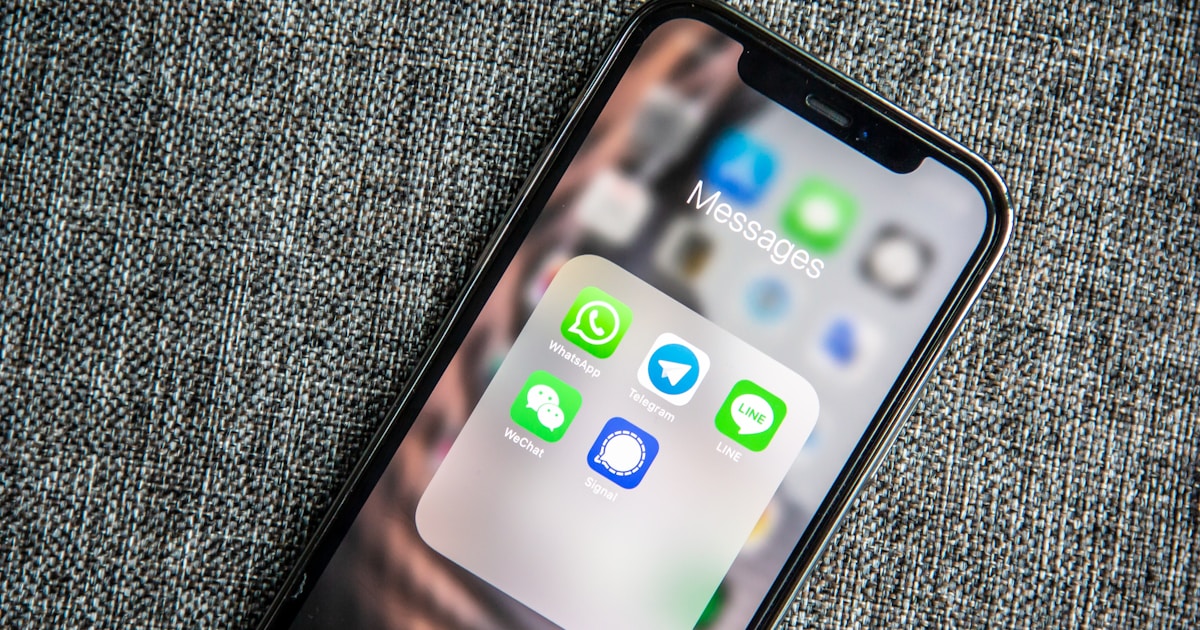
WhatsApp Business App
The WhatsApp Business App is a free application available on Android and iOS, designed for small businesses and individual entrepreneurs. Key capabilities include a dedicated business profile with contact information and operating hours, product and service catalogues, automated greeting messages and away replies, quick replies for frequently asked questions, labels for organising contacts and conversations, and broadcast lists for sending messages to up to 256 recipients at a time. The app operates on a single device and is managed manually by the business owner or a small team.WhatsApp Business API
The WhatsApp Business API is an enterprise-grade solution that enables businesses to integrate WhatsApp messaging into existing software systems, CRMs, and customer support platforms. Unlike the app, the API supports multi-agent management across shared inboxes, programmatic messaging at scale across thousands of concurrent conversations, chatbot and automation integration, rich media messages with interactive buttons and list messages, template messages for marketing, utility, and authentication purposes, and end-to-end encryption maintained across all interactions. The API requires a Meta Business Manager account, a verified business profile, and partnership with a Business Solution Provider (BSP). It also operates on a conversation-based pricing model detailed later in this article. Which is right for your Singapore business? If you are a solo entrepreneur, a small retail shop, or a home-based F&B operation handling fewer than 50 customer conversations per day, the WhatsApp Business App is likely sufficient. If you are an SME or enterprise expecting hundreds or thousands of daily interactions, the API is the appropriate choice.Setting Up Your WhatsApp Business Profile
A well-optimised WhatsApp business profile is the foundation of your marketing presence on the platform. Follow these steps to maximise discoverability and credibility.Register with a Singapore Business Number
Use a dedicated business phone number rather than your personal mobile number. Many Singapore businesses opt for a secondary mobile line or a virtual phone number to keep business communications separate and allow team members to manage the account.Complete Your Business Information
Fill in every available field in your profile. Use your registered company name for consistency across platforms, select the most relevant category, include your physical location with postal code for local search visibility, set accurate operating hours including public holiday schedules, link directly to your website or landing page, and write a concise, keyword-rich description of up to 500 characters explaining what you do, who you serve, and what differentiates you.Build Your Product or Service Catalogue
WhatsApp’s built-in catalogue feature allows you to showcase products directly within the chat interface. Add high-quality images, product names, prices in SGD, descriptions, and product codes. Organise items into categories for easy browsing.Configure Automated Messages
Set up greeting messages that are sent automatically when a customer messages you for the first time or after 14 days of inactivity, away messages activated outside business hours informing customers when to expect a response, and quick replies with pre-written responses for common questions such as operating hours, delivery zones, pricing, and return policies.Organise Contacts with Labels
Use labels to segment your customer base. Common label categories include new customer, repeat customer, pending order, completed order, VIP or high-value customer, enquiry unconverted, and inactive for more than 30 days. Labels enable you to send targeted broadcast messages and track conversation status without a separate CRM. WhatsApp Marketing Strategies for Singapore Businesses With your profile optimised, these are the most effective WhatsApp marketing strategies for Singapore businesses in 2026.Broadcast Lists
Broadcast lists allow you to send a message to multiple recipients simultaneously without creating a group chat. Each recipient receives the message individually, maintaining the one-to-one experience. The free WhatsApp Business App supports up to 256 contacts per broadcast list, while the API enables campaigns to thousands. Best practices: Segment broadcast lists by label to send targeted promotions. Time broadcasts for peak engagement hours — typically 12:00 to 14:00 and 19:00 to 21:00 Singapore time. Keep messages concise with a clear call to action. Limit promotional broadcasts to two to three per week to avoid opt-outs.Status Updates
WhatsApp Status functions similarly to Instagram Stories, with posts that disappear after 24 hours. Effective Status content includes behind-the-scenes material, limited-time flash sales, customer testimonials, event announcements, and product launches. Post three to five Status updates per day for maximum visibility.Customer Support and Consultation
WhatsApp is rapidly replacing traditional phone calls and email for customer support in Singapore. Consumers prefer the asynchronous nature of messaging — they can ask a question, continue their day, and respond when convenient. Position WhatsApp as your primary support channel by adding a WhatsApp chat widget to your website, including your WhatsApp number in all marketing materials and email signatures, and training your team to respond within 15 minutes during business hours.Order Updates and Transactional Messaging
Proactive order updates via WhatsApp significantly improve customer experience. Notify customers about order confirmation, payment received, order processing, dispatch with courier tracking integrated with services such as Ninja Van, J&T Express, or SingPost, and delivery completion. These messages build trust, reduce support enquiries, and encourage repeat purchases.Appointment Reminders
For service-based businesses in Singapore — clinics, salons, tuition centres, gyms, and consultancies — appointment reminders via WhatsApp reduce no-show rates by up to 50 percent. Send automated reminders 24 hours and one hour before scheduled appointments, with options to confirm, reschedule, or cancel directly within the chat.WhatsApp Business API: Enterprise Features and Pricing
For Singapore SMEs and enterprises ready to scale, the WhatsApp Business API unlocks capabilities far beyond the free app. It offers scalable messaging across unlimited concurrent conversations, rich interactive messages with buttons, quick reply options, lists, carousels, and location sharing, AI-powered chatbot integration for initial enquiries and lead qualification, CRM integration with platforms such as HubSpot, Zoho, and Salesforce, analytics and reporting on delivery rates, read rates, response times, and conversation metrics, and multi-language support especially valuable in Singapore’s multilingual market covering English, Mandarin, Malay, and Tamil.Conversation-Based Pricing (2026 Rates)
Meta charges for WhatsApp Business API usage on a per-conversation basis. Each 24-hour message window between a business and a customer counts as one conversation.| Conversation Category | Use Case | Price per Conversation (SGD) |
|---|---|---|
| Utility | Order updates, appointment reminders, account alerts | Free |
| Authentication | OTPs, verification codes, registration confirmations | Free |
| Marketing | Promotions, newsletters, product announcements | 0.015 to 0.075 |
| Service | Customer support enquiries, post-purchase support | Free |
How to Get Approved for the WhatsApp Business API
First, create a Meta Business Manager account linked to your Singapore-registered business. Second, verify your business with official documents such as an ACRA business profile, utility bill, or bank statement. Third, partner with a BSP such as Wati, Twilio, or MessageBird, or a Singapore-based agency like Digimau. Fourth, set up your WhatsApp Business profile with complete information and a catalogue. Fifth, submit message templates for approval before sending any outbound marketing or utility messages. Sixth, comply with Meta’s Commerce and Business policies, including opt-in requirements.WhatsApp Catalogue and Payments
The API-enabled catalogue supports larger inventories with dynamic updates synced with your e-commerce platform such as Shopify, WooCommerce, or Magento. Singapore retailers can showcase their full product range with SGD pricing and stock availability. WhatsApp Pay is available in Singapore through partnerships with local banks and payment processors. Customers can complete purchases directly within the chat, reducing friction. Supported methods include PayNow, bank transfers, and credit or debit card payments integrated via BSP payment gateways. WhatsApp Marketing by Industry: Singapore Use CasesFood and Beverage (F&B)
Singapore’s F&B scene thrives on convenience and speed. WhatsApp enables order updates covering preparation, dispatch, and arrival, daily lunch and dinner specials via Status and broadcast lists, reservation management with automated reminders, post-dining feedback collection for Google Reviews, and loyalty programme management for repeat customers.Retail and E-commerce
Retailers leverage WhatsApp for flash sales and exclusive offers to segmented lists, product launch announcements with direct purchase links, abandoned cart recovery via automated messages, real-time courier tracking updates, and personalised product recommendations based on purchase history. For businesses seeking end-to-end support, Digimau’s WhatsApp marketing services provide strategy, setup, and campaign management tailored to Singapore retailers.Healthcare and Wellness
Healthcare providers use WhatsApp for appointment reminders that reduce missed consultations, pre-consultation intake forms, post-visit care instructions and prescription reminders, health campaign broadcasts such as vaccination reminders, and telemedicine video consultation links.Real Estate
Property agencies share listing details, floor plans, images, and virtual tour links via WhatsApp. They manage viewing scheduling, send tenancy agreements and compliance documents securely, broadcast market updates and new listing alerts, and provide neighbourhood guides relevant to specific Singapore districts.Education and Training
Educational institutions use WhatsApp for enrolment enquiries and programme brochures, class scheduling with timetables and venue details, reminder messages for classes and deadlines, parent communication especially relevant for enrichment centres and tuition schools, and webinar and workshop promotion with registration links.WhatsApp Chatbots and Automation
Automation is the key to scaling WhatsApp marketing without proportionally increasing headcount. There are three main types of WhatsApp chatbots available to Singapore businesses. Types of WhatsApp Chatbots Menu-based chatbots guide customers through pre-defined conversation flows using interactive buttons and lists. They are suitable for straightforward enquiries such as operating hours and pricing. Natural Language Processing (NLP) chatbots use AI to understand customer intent and provide contextual responses. In 2026, NLP chatbots supporting Singlish, Mandarin, and Malay are increasingly available, making them highly relevant for Singapore. Hybrid chatbots combine menu-based and NLP approaches, offering structured navigation with natural language flexibility.Key Use Cases
Chatbots are effective for lead qualification, collecting customer details before routing to a sales agent. They handle FAQ queries about pricing, locations, delivery zones, and returns automatically. They manage order status checks, modifications, and return initiations without human intervention. They enable appointment scheduling with booking, rescheduling, and cancellation through conversational flows. They also suggest products based on customer preferences and history. Building a chatbot can be done through BSP no-code platforms, custom development via a Singapore-based agency, or emerging AI-native agent platforms in 2026. WhatsApp and CRM Integration Integrating WhatsApp with your CRM creates a seamless flow of customer data between your messaging channel and business operations.HubSpot Integration
HubSpot’s WhatsApp integration enables two-way messaging from within the HubSpot inbox, automatic contact creation from WhatsApp conversations, trigger-based automated messages, pipeline management with conversation context, and reporting on WhatsApp metrics alongside other channel data.Zoho CRM Integration
Zoho offers native WhatsApp integration supporting click-to-WhatsApp buttons on contact records, automated notifications for deal stage changes, template management for frequently sent messages, and conversation logging and analytics.Salesforce Integration
Salesforce provides omnichannel routing with WhatsApp alongside phone, email, and social media, Einstein AI-powered chatbot capabilities, Journey Builder integration for automated sequences, and comprehensive analytics within the Salesforce dashboard. Regardless of your CRM choice, integration delivers centralised customer data, personalised messaging based on purchase history and lifecycle stage, automated workflow triggers from CRM events, and seamless team collaboration across shared conversation histories. For a broader perspective on how messaging channels fit into your overall digital strategy, Digimau’s guide to digital marketing in Singapore covers integration planning across channels.PDPA and WhatsApp Marketing Compliance in Singapore
Any Singapore business conducting marketing via WhatsApp must comply with the Personal Data Protection Act (PDPA). Non-compliance can result in financial penalties of up to SGD 1 million or 10 percent of annual turnover, whichever is higher. The Personal Data Protection Commission Singapore provides comprehensive guidance on obligations under the Act. Key PDPA Requirements Consent (Opt-in): Obtain clear, informed, and unambiguous consent before sending marketing messages. Consent must be freely given, specific to the purpose, and revocable at any time. Purpose limitation: Personal data collected for one purpose, such as a product purchase, should not be automatically used for marketing unless the individual has consented to that specific use. Withdrawal of consent: Provide a straightforward mechanism such as replying STOP to unsubscribe or UNSUBSCRIBE keyword handling. Data protection: Store and protect customer data securely. End-to-end encryption provides one layer, but backend systems and CRM databases must also comply with PDPA standards.Meta’s Additional Requirements
Meta prohibits unsolicited messages, requires pre-approved marketing templates, prevents contacting blocked users through alternate numbers, and mandates clear business identification in profiles and messages. The WhatsApp Business Policy outlines these requirements in full.Best Practices for Compliance
Maintain a clear opt-in process on your website, physical store, and marketing channels. Document consent with timestamps and specific purpose. Audit contact lists regularly to remove withdrawn consent. Train all team members on PDPA requirements. Appoint a Data Protection Officer if required under PDPA regulations. Measuring WhatsApp Marketing Success Track these key performance indicators to justify investment and optimise your strategy. Reach and Engagement Metrics| Metric | Description | Benchmark (Singapore) |
|---|---|---|
| Message delivery rate | Percentage of messages successfully delivered | 95 to 98 percent |
| Message open/read rate | Percentage of delivered messages opened | 70 to 90 percent |
| Response rate | Percentage of messages receiving a reply | 15 to 40 percent |
| Broadcast list growth | Net increase in opt-in contacts per month | Industry-dependent |
| Status views | Average views per Status update | 40 to 60 percent of contacts |
| Metric | Description | Benchmark (Singapore) |
|---|---|---|
| Click-through rate (CTR) | Percentage of recipients clicking links | 5 to 15 percent |
| Conversion rate | Interactions resulting in a purchase or booking | 3 to 12 percent |
| Revenue per conversation | Average revenue generated per conversation | Industry-dependent |
| Customer acquisition cost (CAC) | WhatsApp spend divided by new customers | Typically lower than paid social |
| Return on investment (ROI) | Revenue minus costs, divided by costs | 300 to 800 percent |
Operational Metrics
Monitor average response time with a target under 15 minutes during business hours, first contact resolution rate, agent utilisation rate, and chatbot containment rate. WhatsApp Marketing Pricing in Singapore (2026) WhatsApp Business API Pricing| Cost Component | Typical Price Range (SGD) | Notes |
|---|---|---|
| BSP monthly subscription | 30 to 300 | Depends on features and volume |
| Marketing conversation fees | 0.015 to 0.075 per conversation | Charged by Meta |
| Utility/service conversations | Free | Customer-initiated conversations |
| Authentication conversations | Free | OTPs and verification messages |
| Phone number rental | 5 to 15 per month | Provided by BSP |
| Service | Typical Price Range (SGD) | Notes |
|---|---|---|
| Basic menu-based chatbot (one-time) | 1,500 to 3,500 | Simple FAQ and navigation flows |
| NLP-powered chatbot (one-time) | 5,000 to 15,000 | AI-driven, multi-intent handling |
| Chatbot monthly maintenance | 200 to 800 | Updates, training, and optimisation |
| Custom integration development | 3,000 to 20,000 | CRM, e-commerce, or ERP integration |
| Service | Typical Price Range (SGD) | Notes |
|---|---|---|
| WhatsApp strategy consulting | 1,000 to 5,000 per project | Audit, strategy, and roadmap |
| Monthly management (BSP configuration) | 500 to 2,000 per month | Template creation, campaign management |
| Full-service agency management | 2,000 to 8,000 per month | Strategy, execution, reporting, optimisation |
WhatsApp Business App Costs
The WhatsApp Business App is completely free. The only costs are a dedicated phone line, approximately SGD 20 to 50 per month, and the labour time of the person managing it. Common WhatsApp Marketing Mistakes to AvoidSending Spam Messages
Blasting promotional content to unsegmented contact lists without permission is the fastest way to get blocked and flagged. Always ensure explicit consent and respect frequency limits. Failing to Obtain Opt-in Consent Under PDPA and Meta’s policies, marketing messages require clear opt-in consent. Never add customers to broadcast lists without permission.Ignoring Personalisation
WhatsApp is a personal messaging platform. Generic messages feel out of place. Use customer data including name, purchase history, and preferences to personalise interactions.Not Leveraging Automation
Manually responding to every message is unsustainable at scale. Implement automated greetings, quick replies, and chatbots. Human agents should focus on high-value conversations.Failing to Measure Performance
Without tracking metrics, you cannot determine whether your efforts generate value. Monitor delivery rates, open rates, response rates, and conversions consistently.Treating WhatsApp Like Email
WhatsApp is conversational and real-time. Long-form newsletters and formal language do not translate well. Keep messages concise, conversational, and action-oriented.Neglecting Response Time
Customers expect faster responses on WhatsApp than email. Aim for under 15 minutes during business hours, and set up automated away messages for after-hours. Not Integrating with Your Broader Strategy WhatsApp should not exist in isolation. Integrate it with your website, social media, email marketing, and CRM for a cohesive omnichannel experience. Frequently Asked QuestionsIs WhatsApp Business free to use in Singapore?
The WhatsApp Business App is completely free. The WhatsApp Business API involves BSP subscriptions and per-conversation fees, though utility, service, and authentication conversations are free.
How do I get a WhatsApp Business API account in Singapore?
You need a Meta Business Manager account, a verified Singapore business profile, and partnership with an approved BSP such as Wati, Twilio, or MessageBird. A Singapore digital marketing agency can also manage the setup on your behalf.
Can I use WhatsApp for marketing under Singapore’s PDPA?
Yes, provided you obtain clear opt-in consent before sending marketing messages, honour withdrawal requests promptly, and ensure personal data is stored securely per PDPA requirements.
What is the difference between a broadcast list and a WhatsApp group?
Broadcast lists send messages to individual recipients privately. Recipients cannot see each other. Groups are shared spaces where all members interact. Broadcasts are preferred for marketing as they maintain a one-to-one experience.
How many messages can I send via WhatsApp broadcast?
The free app supports up to 256 recipients per broadcast list. The API supports significantly larger volumes through approved template campaigns.
Can I integrate WhatsApp with my Shopify store in Singapore?
Yes. Multiple BSPs offer Shopify integration for abandoned cart recovery, order notifications, customer support, and product sharing within WhatsApp conversations.
What happens if a customer blocks my business on WhatsApp?
You can no longer send messages to that contact. Meta prohibits contacting the user through alternate WhatsApp numbers, and violations may result in your business account being flagged or banned.
Is WhatsApp suitable for B2B marketing in Singapore?
Absolutely. Many Singapore B2B companies use WhatsApp for lead nurturing, client communication, and post-sale support. SME decision-makers often prefer WhatsApp for its convenience, particularly in commercial real estate, corporate training, and professional services.
How do I measure the ROI of my WhatsApp marketing?
Track revenue directly attributable to WhatsApp-driven conversions and compare against total costs including BSP fees, chatbot development, and staff time. Use UTM parameters in shared links to attribute traffic and conversions in Google Analytics.
Can I send automated messages via the free WhatsApp Business App?
The Business App supports basic automation including greeting messages, away messages, and quick replies. For advanced automation such as chatbot flows and CRM-triggered messages, you need the WhatsApp Business API.
What is the best time to send WhatsApp marketing messages in Singapore?
Peak engagement hours are typically 12:00 to 14:00 during lunch and 19:00 to 21:00 in the evening, Singapore time. Avoid sending marketing messages before 09:00 or after 21:00 to respect personal boundaries and PDPA best practices.
How long should a WhatsApp marketing message be?
Keep messages concise, ideally under 300 characters. WhatsApp is a conversational platform where brevity drives engagement. Use a single clear call to action per message rather than overloading recipients with information.
