
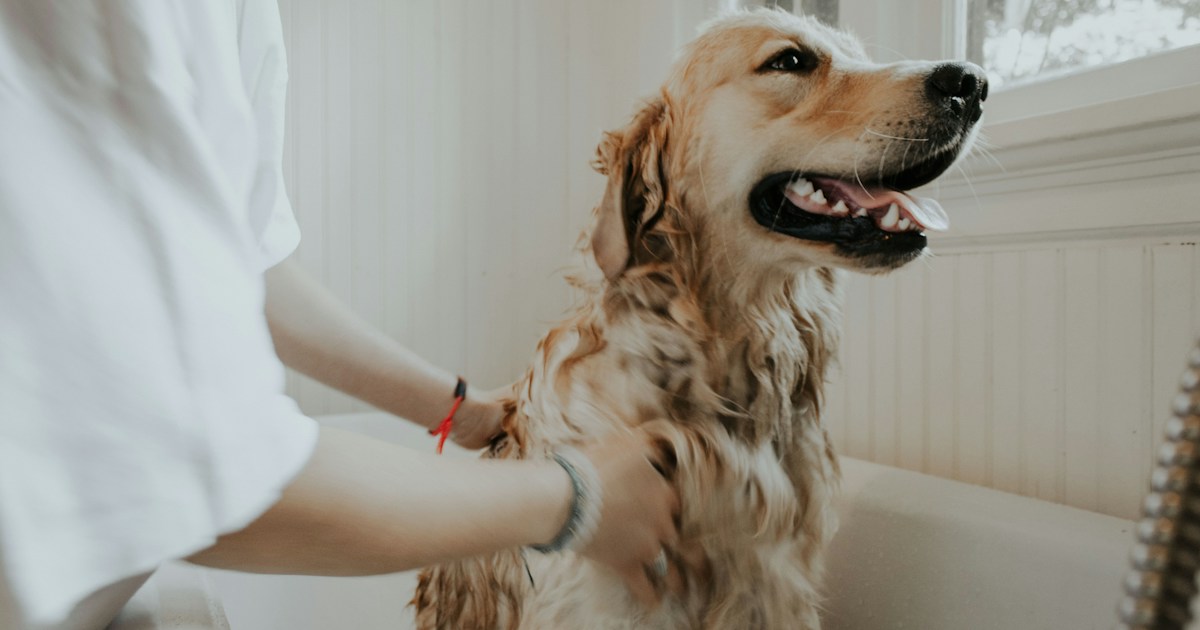
Dog grooming is a repeat-service business where the client books every 4 to 8 weeks, which makes local search the cheapest growth channel you own. This guide covers SEO for dog groomers in 2026: keyword strategy by service type, Google Business Profile fundamentals, review and photo systems that win the local pack, and cost-per-client math against paid channels. Pair it with our SEO for dog trainers guide; Digimau’s local SEO services cover the full program.
—Table of Contents
How SEO Works for Dog Groomers
Grooming searches are almost entirely local and mobile: an owner types dog groomer near me, Google shows a map pack of three businesses, and most calls never reach the organic results below it. Winning in 2026 means treating your Google Business Profile as your real homepage, then backing it with service pages deep enough to rank for the specific things owners search, like puppy first groom or mobile dog grooming. Groomers who only have a one-page website lose those specific searches to competitors with a page per service, even when the one-page shop has better reviews.
The economics are why this channel compounds. A full-time groomer needs 6 to 8 dogs per day to hit target revenue, and replacing one lost weekly client costs $600 to $1,200 a year in missed rebooks. A grooming client acquired through page-one local rankings costs $8 to $20 in marketing once rankings mature, against $18 to $35 per acquired client on Google Ads. Digimau builds the ranking assets once, and the same pages and profile keep booking appointments every month without a rising media bill.
| Ranking Factor | Weight in 2026 | How Groomers Win It |
|---|---|---|
| Google Business Profile category and services | High | Primary category Dog groomer, add Mobile pet grooming as a service, list add-ons like nail trimming and deshedding |
| Review count, velocity, and replies | High | Ask at the bandana photo moment at pickup, reply within 24 hours, target 3 to 5 new reviews monthly |
| Proximity to the searcher | High | Cannot be gamed; win instead by dominating prominence signals inside a 3 mile radius |
| Service page depth | Medium | Dedicated pages for puppy first groom, deshedding treatment, cat grooming, and mobile grooming |
| Photo freshness | Medium | Upload 5 to 10 before-and-after photos weekly across different breeds and coat types |
Grooming Keywords and the Service Page Plan
Owners search in three buckets: emergency hygiene (nail trim near me, dog teeth cleaning), routine maintenance (deshedding treatment, matted dog hair rescue), and breed or size specifics (poodle grooming styles, small dog groomer). Each bucket deserves its own page built around the words owners actually type. A groomer with eight focused service pages outranks a competitor with one services list for every one of those searches, because Google can only rank a page that names the thing.
Volume is modest but intent is perfect, and the long tail is where new clients hide. Practical 2026 targets for a single-location shop:
| Page | Primary Keyword | Secondary Keywords to Fold In | Monthly Volume (typical metro) |
|---|---|---|---|
| Home page | dog groomer near me | dog grooming [city], best dog groomer near me | 700 to 2,500 |
| Puppy first groom | puppy first groom | puppy grooming near me, when to first groom a puppy | 90 to 300 |
| Deshedding treatment | deshedding treatment for dogs | furminator treatment, heavy shedding dog grooming | 60 to 200 |
| Cat grooming | cat grooming near me | cat nail trim, lion cut for cats | 150 to 500 |
| Mobile grooming | mobile dog grooming near me | mobile groomer cost, mobile pet grooming [city] | 250 to 900 |
| Matted coat rescue | matted dog hair | shave down service, dematting without shaving | 40 to 150 |
Write each page around the appointment itself: what happens at the visit, how long it takes, what it costs, and what the owner should do to prepare. That structure matches search intent better than keyword-stuffed paragraphs, and it converts, because an owner who reads the puppy first groom page already knows you handle wiggly first-timers before the phone rings.
Google Business Profile for Groomers
The profile is where map-pack rankings are won, and most groomers leave half of it empty. Complete every field: primary category Dog groomer, secondary categories like Pet groomer or Mobile pet grooming if you offer them, service list with prices, booking link, and a service-area map that matches where your clients actually live. Add weekly Google Posts featuring openings, seasonal notes like pre-summer deshedding, and holiday hours, since dormant profiles lose map visibility to active ones.
Use the Q&A feature as a free FAQ: seed questions owners ask at the front desk, such as Do you groom cats, Do you use cage dryers, and What vaccines do you require, then answer them in your brand voice. Upload photos to named folders for each service so Google can classify your media correctly. Finally, keep the name field exactly your business name; keyword stuffing the business name is the most common profile suspension trigger in pet services, and a suspended profile drops you out of the map pack entirely for weeks while you appeal.
Reviews and Photos That Win the Local Pack
Reviews are the prominence signal groomers directly control. Build the ask into the handoff moment: when the owner takes the bandana photo at pickup, the groomer says the dog did great, here is a QR code, takes 30 seconds to tell us how we did. Shops that systematize this add 3 to 5 reviews a month without incentives, and velocity matters as much as total count, because a shop with 140 reviews but nothing since March reads as closed.
Reply to every review within 24 hours, positive or negative, and treat the reply as marketing copy for future searchers. For the inevitable 1-star complaint about a shave-down or a nervous dog, describe your process and offer a phone consult; prospective clients reading replies are judging how you handle conflict, not the complaint itself. Photos do the same work in parallel: before-and-after sets across breeds, coat types, and sizes prove range, and profiles refreshed weekly with real shop photos consistently outrank stock-image profiles in the same zip code.
Content That Books First-Time Appointments
Blog content earns rankings, but in grooming it should earn appointments. The highest-converting subjects answer anxious-owner questions: when can a puppy have its first groom, how to calm a dog for grooming, matted coat rescue without shaving, and senior dog grooming for arthritic pets. Each article ends with a service-page link and a booking nudge, so the reader moves from research to appointment in one click.
Seasonal demand is predictable enough to schedule content against. Deshedding searches spike in spring and fall, nail trim and hygiene searches hold steady all year, and post-holiday bookings drop in January while February picks up with tax-refund spending. Publish the seasonal page 6 to 8 weeks before the spike so it matures in time to rank, and refresh the same URLs each year instead of creating new ones, because accumulated authority on one page beats a fresh page every season. For grooming keywords specifically, an article pair works better than one long pillar: one piece targeting the owner question and one targeting the service itself, cross-linked both ways.
Cost per Client: SEO vs Google Ads
Both channels book appointments; they differ in how the cost behaves. Ads buy immediate visibility at market rates that pet-service competitors bid up every quarter, while SEO compounds: the same page that costs you writing time in March books clients in December at zero marginal cost. Most grooming shops run ads for the first 90 days while SEO pages mature, then taper ad spend as local rankings take over the same searches.
| Channel | Typical Cost per New Client (2026) | Time to First Results | Behavior at Month 12 |
|---|---|---|---|
| Local SEO | $8 to $20 | 3 to 6 months | Cost per client falls as rankings hold |
| Google Ads | $18 to $35 | Days | Cost rises as CPCs climb with competitor bids |
| Referral and repeat | Near $0 | Ongoing | Scales with review volume and rebook rate |
Run the math with your own numbers: average rebook lifetime for a grooming client runs 6 to 10 visits over two years, so a $30 ad-acquired client on a mid-tier plan can still out-earn an SEO client on speed alone. The point is not to abandon paid but to know which channel fills which gap. Our Google Ads for dog trainers guide breaks the same math from the paid side, and Digimau builds blended plans that shift spend as rankings mature.
KPIs for Dog Grooming SEO
Track a short list and ignore vanity rankings. The numbers that describe a working program: calls and direction requests from your Business Profile, booking-page sessions from local search, map-pack position for your five money keywords (dog groomer near me plus your four service pages), review velocity, and new-client share of total bookings. Healthy 2026 targets for a single-location shop are 3 to 5 new reviews monthly, 40 to 60 profile actions per week once rankings mature, and a rising new-client share month over month.
Review the list monthly in one sitting. If profile actions rise but bookings stall, the problem is your booking page or phone answer rate, not SEO. If map-pack position holds but calls fall, check hours, photos, and posts for staleness signals. Grooming SEO is unusual in how fast the feedback loop runs, because appointments are low-ticket and repeat, so a shop that measures weekly can validate or kill a keyword bet in a single quarter instead of arguing about it for a year.
Frequently Asked Questions
How long does SEO take to work for a dog groomer?
Profile improvements show in weeks through calls and direction requests, while service page rankings take 4 to 8 months. Groomers who publish puppy and deshedding pages before spring shed season enter peak demand with mature pages, which is the difference between ranking and just being indexed.
How much should a groomer spend on SEO?
Most single-location shops invest $500 to $1,500 monthly across content, profile management, and local citations. The useful test is cost per new client: if SEO spend divided by tracked new clients lands under $25, the program is working, because a rebooking client is worth $600 to $1,200 a year.
Do groomers need a blog?
A short one, yes. Four to six anxious-owner articles (first puppy groom, matted coats, nervous dogs, senior dogs) give your service pages internal links and capture research-stage searches. That is enough; publishing thin weekly posts nobody reads helps nothing.
Is Google Ads better than SEO for grooming?
Ads book clients in days at $18 to $35 per acquisition; SEO takes months but drops to $8 to $20 per client and compounds. The strongest plans run both for 90 days, then shift budget toward whichever channel shows the lower blended cost per rebooking client.
What keywords matter most for a grooming salon?
Dog groomer near me and your city term drive the most searches, but service long-tails like puppy first groom, cat grooming near me, and mobile dog grooming convert at higher rates with less competition. Build a page per service and let the home page own the head terms.
Do online reviews really affect grooming rankings?
Yes; count, velocity, and reply behavior are confirmed local ranking inputs, and they also drive owner choice inside the map pack. Two shops with equal rankings can see very different call rates, and the shop with fresh reviews and replies usually wins the click.
Should I build a page for mobile grooming if I only groom in-shop?
Only if you genuinely offer it. If you plan to launch a mobile van, publish the page and mark the service as coming soon rather than losing those searches entirely. Never rank a service you do not provide; it drives 1-star reviews that hurt the profile you worked to build.
How many Google reviews does a groomer need to rank?
There is no magic number; consistency matters more. In most metros, 80 to 150 reviews with 3 to 5 new ones monthly keeps you competitive in the map pack, while stagnant review counts fade regardless of total.
What is the fastest SEO win for a new grooming shop?
A complete Google Business Profile: every category, service, photo folder, and booking link, plus getting your first 10 reviews from existing clients inside 30 days. New shops report profile-driven calls within weeks, long before service pages rank.
Do I need backlinks to rank in local grooming searches?
Not many. Local packs lean on relevance, distance, and prominence, so profile completeness, reviews, and real citations (chamber of commerce, local pet rescues, groomer associations) carry most shops. A handful of local links from community pages beats any paid link scheme.
Grow Your Dog Grooming Business With Digimau
A fully booked grooming calendar comes from the same three assets every time: service pages that answer anxious owners, a Business Profile that owns near-me searches, and a review system your competitors cannot copy overnight. Digimau builds SEO programs for dog groomers and pet-service businesses across the US, with reporting tied to booked appointments rather than vanity rankings. Book a free strategy call and see what local search demand in your zip codes is actually worth.
