
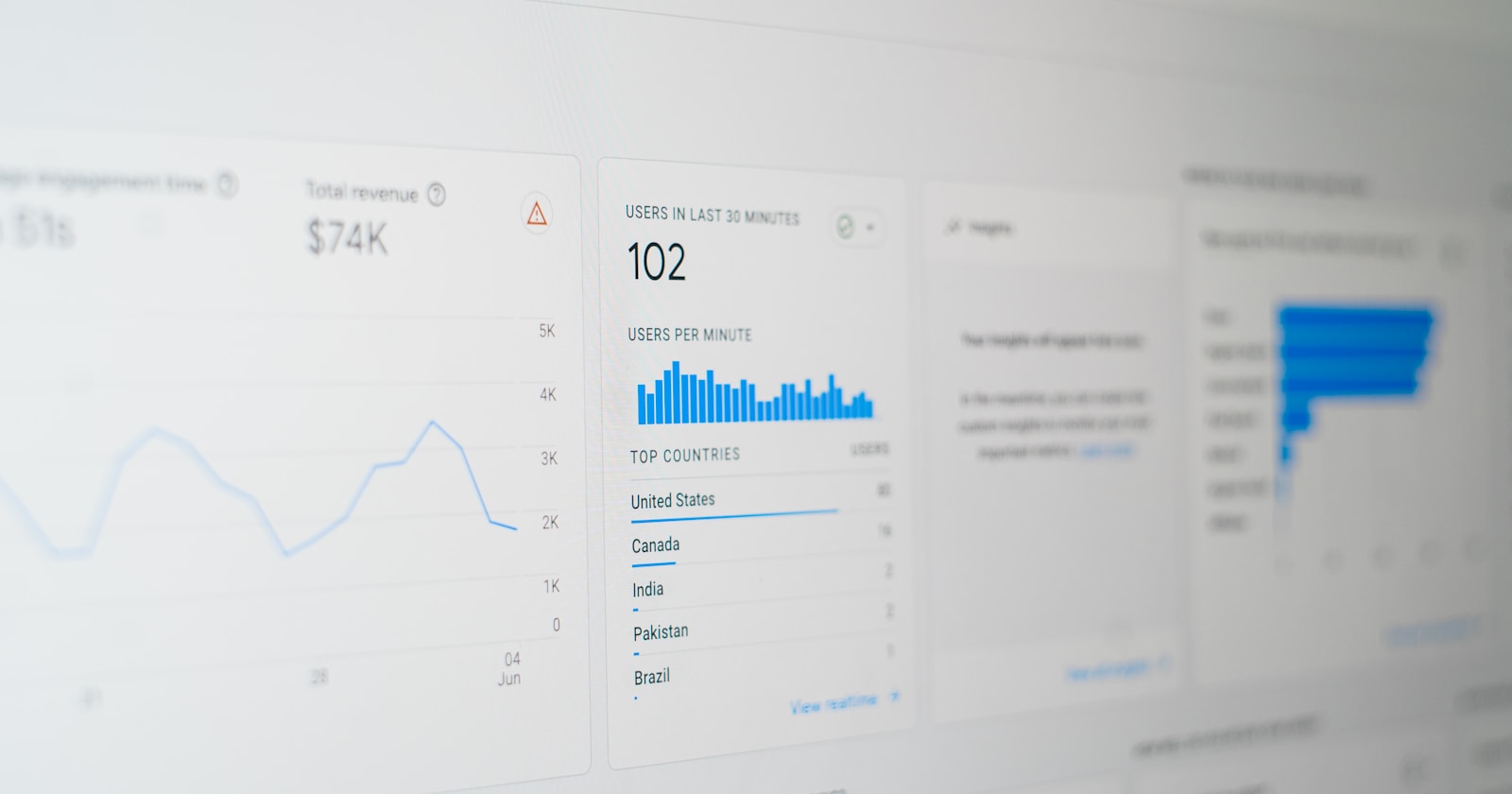
Search engine optimization is no longer optional for nonprofit organizations. In 2026, over 93% of online experiences begin with a search engine, and donors, volunteers, and beneficiaries alike turn to Google first when looking for causes to support, organizations to join, or services to access. Yet many nonprofits continue to underinvest in organic search, leaving valuable visibility and potential funding on the table. This comprehensive guide covers every aspect of SEO for nonprofits, from Learn more. Learn more.foundational strategy to advanced tactics, giving your organization a clear roadmap to grow its online presence and amplify its mission.
—
- Why SEO Matters for Nonprofits in 2026
- Read more. Read more.n”>Setting Your Nonprofit SEO Foundation
- Keyword Research for Nonprofit Organizations
- Technical SEO for Nonprofit Websites
- On-Page SEO Best Practices for Nonprofits
- Content Strategy That Drives Donations and Volunteers
- Local SEO for Community-Based Nonprofits
- Building Authority with E-E-A-T Signals
- Link Building Strategies for Nonprofits
- Leveraging Google Ad Grants Alongside SEO
- Measuring SEO Success for Nonprofits
- Free and Discounted SEO Tools for Nonprofits
- Common Nonprofit SEO Mistakes to Avoid
- Conclusion and Next Steps
—
Why SEO Matters for Nonprofits in 2026
The digital landscape in 2026 presents both opportunities and challenges for nonprofit organizations. Online giving has grown steadily, with over 60% of donors now preferring to give through a website or digital platform. Meanwhile, Google’s search algorithms have become increasingly sophisticated, rewarding websites that demonstrate genuine expertise, provide exceptional user experiences, and deliver content that genuinely helps searchers. Learn more about E-E-A-T SEO: The Complete Guide for Singapore Businesses in 2026.
For nonprofits, SEO offers several distinct advantages over other digital marketing channels. Unlike paid advertising, organic traffic compounds over time. A well-optimized blog post written today can continue attracting donors and volunteers for years. Unlike social media, where algorithm changes can destroy your reach overnight, SEO builds durable assets that you control. And unlike email marketing, where list fatigue is a constant challenge, search delivers fresh audiences who are actively looking for exactly what you offer.
Consider this data point: the average cost-per-acquisition for a new monthly donor through paid channels is approximately $45 to $75. Through organic search, that cost drops to under $15 when you factor in the long-term value of compounding traffic. For nonprofits operating on tight budgets, this difference can mean thousands of additional dollars directed toward your mission rather than marketing overhead.
Working with a specialized agency like Digimau can accelerate your nonprofit SEO results, but even organizations with limited resources can implement many of the strategies outlined in this guide independently. Learn more about How Long Does SEO Take to Work? (2026 Timeline Breakdown).
Setting Your Nonprofit SEO Foundation
Before diving into keywords and content, your nonprofit needs a solid technical and strategic foundation. This means ensuring your website is built on a platform that supports SEO best practices, that your site architecture is logical and crawlable, and that you have the right measurement tools in place.
Choose the Right CMS Platform
Your content management system is the backbone of your SEO efforts. WordPress powers over 43% of all websites and remains the strongest choice for nonprofit SEO in 2026 due to its extensive plugin ecosystem, SEO-friendly architecture, and large community support. Other viable options include Squarespace for organizations that prioritize simplicity, and Drupal for large nonprofits that need robust multisite capabilities. Learn more about How Much Does SEO Cost in Singapore in 2026?.
If you use WordPress, install Yoast SEO or Rank Math immediately. These free plugins handle critical on-page elements like meta titles, meta descriptions, XML sitemaps, schema markup, and breadcrumb navigation. For nonprofits using custom-built sites, ensure your developer implements these features at the template level.
Set Up Essential Measurement Tools
Every nonprofit should have Google Analytics 4 and Google Search Console configured from day one. GA4 provides insights into how visitors interact with your site, which pages drive donations, and where your traffic originates. Search Console reveals exactly which queries bring users to your site, your average ranking positions, and technical issues that need attention.
Configure custom events in GA4 to track donation completions, volunteer form submissions, newsletter sign-ups, and other conversion actions specific to your nonprofit’s goals. Without proper tracking, you cannot measure SEO ROI or make data-driven decisions about where to focus your efforts.
Establish Your Domain and Hosting
Your domain name should be memorable, brandable, and ideally include a keyword related to your cause, though brand recognition takes priority. Use a .org extension when possible, as it signals nonprofit status and builds immediate trust with searchers. Ensure your hosting plan provides fast load times, SSL certificates, and reliable uptime. Slow hosting is one of the most common and easily fixable SEO problems we encounter at Digimau when auditing nonprofit websites.
Keyword Research for Nonprofit Organizations
Keyword research for nonprofits differs significantly from commercial keyword research. Instead of targeting transactional keywords with purchase intent, nonprofits need to identify keywords that align with their unique objectives: driving donations, recruiting volunteers, raising awareness, and providing services.
Understanding Nonprofit Search Intent
Nonprofit keywords generally fall into four intent categories:
| Intent Type | Example Keywords | Content Strategy |
|---|---|---|
| Donation Intent | “donate to [cause]”, “how to help [cause]”, “[cause] charity near me” | Dedicated donation landing pages with trust signals |
| Volunteer Intent | “volunteer opportunities near me”, “[cause] volunteer”, “how to volunteer for [cause]” | Volunteer program pages with clear CTAs |
| Informational Intent | “what is [cause]”, “how does [issue] affect communities”, “[cause] statistics 2026” | Blog posts, guides, research reports |
| Service Intent | “free [service] near me”, “[population] assistance programs”, “how to get help with [issue]” | Program pages with eligibility and application info |
Free Keyword Research Methods for Nonprofits
Start with Google Search Console to see which queries already bring traffic to your site. These existing keywords reveal what Google already associates with your organization and highlight quick-win optimization opportunities. Use the “Search Results” report to identify keywords ranking on page two (positions 11-20) where small improvements can push you onto the first page.
Google’s autocomplete suggestions and “People Also Ask” boxes provide invaluable keyword ideas. Type your cause-related terms into Google and note the suggested completions and related questions. These represent real searches that real people are performing. Ubersuggest offers a generous free tier that provides search volume estimates, keyword difficulty scores, and content gap analysis.
Prioritizing Your Keyword Targets
Not all keywords deserve equal attention. Prioritize based on three factors: relevance to your mission, search volume, and ranking difficulty. For most nonprofits, the sweet spot is long-tail keywords with monthly search volumes of 100 to 1,000 and keyword difficulty scores below 40. These keywords are achievable to rank for and attract highly qualified visitors who are more likely to convert into donors or volunteers.
Create a keyword spreadsheet that maps each target keyword to a specific page on your site. Avoid targeting multiple keywords with the same page, as this creates keyword cannibalization and confuses search engines about which page should rank for each query.
Technical SEO for Nonprofit Websites
Technical SEO ensures that search engines can crawl, index, and understand your website effectively. Many nonprofit websites suffer from technical debt accumulated over years of ad-hoc updates, making technical SEO an area where significant improvements are often possible relatively quickly.
Core Web Vitals and Page Speed
Google’s Core Web Vitals remain a confirmed ranking factor in 2026. The three metrics are Largest Contentful Paint (LCP, target under 2.5 seconds), First Input Delay (FID, target under 100 milliseconds), and Cumulative Layout Shift (CLS, target under 0.1). Nonprofit websites often struggle with these metrics due to unoptimized images, heavy donation form scripts, and excessive third-party tracking codes.
Start by running your site through Google PageSpeed Insights and addressing the highest-impact recommendations. Compress and convert images to WebP format, implement lazy loading for below-the-fold images, defer non-critical JavaScript, and eliminate render-blocking resources. Many nonprofits see dramatic improvements simply by optimizing their hero images and reducing the number of third-party scripts running on donation pages.
Crawlability and Indexation
Use Screaming Frog SEO Spider (free for up to 500 URLs) to audit your site’s crawlability. Common issues include broken links returning 404 errors, redirect chains that waste crawl budget, pages accidentally blocked by robots.txt, and duplicate content from URL parameters. Submit an updated XML sitemap through Google Search Console and monitor the Index Coverage report regularly to catch indexation problems early.
Ensure every important page on your site is reachable within three clicks from the homepage. Flat site architectures make it easier for search engines to discover and rank your content. Use internal links strategically to guide both users and crawlers to your most important pages, such as donation forms, volunteer sign-up pages, and program descriptions.
Mobile Optimization
With over 60% of web traffic coming from mobile devices, mobile-first indexing is fully entrenched. Your nonprofit website must provide an excellent mobile experience. This means responsive design that adapts to all screen sizes, tap targets sized at least 48 by 48 pixels, readable font sizes without zooming, and donation forms that are easy to complete on a smartphone. Test your mobile experience regularly using Google’s Mobile-Friendly Test and conduct real-user testing on actual devices.
On-Page SEO Best Practices for Nonprofits
On-page SEO involves optimizing individual pages to rank higher and earn more relevant traffic. For nonprofits, this means creating pages that clearly communicate your mission, demonstrate impact, and guide visitors toward meaningful actions like donating or volunteering.
Title Tags and Meta Descriptions
Every page should have a unique, descriptive title tag under 60 characters that includes your primary keyword and your organization name. Meta descriptions should be compelling calls to action under 160 characters that encourage clicks. For donation pages, use meta descriptions like “Support [Cause] today. Your $25 donation provides [specific impact]. 501(c)(3) tax-deductible.” This combination of urgency, specificity, and trust signals significantly improves click-through rates.
Header Hierarchy
Use a logical heading hierarchy (H1, H2, H3) that helps both users and search engines understand your content structure. Each page should have exactly one H1 tag containing your primary keyword. Use H2 tags for major sections and H3 tags for subsections. Include secondary keywords naturally in your headings where they fit contextually.
Image Optimization
Every image on your nonprofit website should have descriptive alt text that serves both accessibility and SEO purposes. Instead of generic alt text like “photo1.jpg,” use descriptive text like “volunteers packing food boxes at Atlanta community food bank.” Compress all images, use WebP format, and specify width and height dimensions to prevent layout shifts. Image search can be a significant traffic source for nonprofits, especially for event photos and impact stories.
Internal Linking Strategy
Internal links distribute page authority throughout your site and help search engines understand the relationships between your pages. Link from high-authority pages like your homepage and blog posts to conversion-focused pages like donation forms and volunteer sign-ups. Use descriptive anchor text that includes relevant keywords. Audit your internal links quarterly to find orphaned pages that have no internal links pointing to them.
Content Strategy That Drives Donations and Volunteers
Content is the engine that powers nonprofit SEO. A well-executed content strategy positions your organization as an authority on your cause, answers the questions your audience is asking, and creates multiple pathways for organic discovery.
Creating a Nonprofit Content Calendar
Develop a quarterly content calendar that maps topics to organizational priorities and seasonal trends. Plan content around giving seasons (year-end, Giving Tuesday), awareness months relevant to your cause, volunteer recruitment drives, and major events. Aim to publish at least two blog posts per month, supplemented by program updates, impact stories, and educational resources.
Each piece of content should serve at least one of three purposes: attract new audiences through informational keywords, nurture existing relationships through impact storytelling, or convert visitors through clear calls to action. The best content accomplishes all three simultaneously.
Types of Content That Perform for Nonprofits
Long-form comprehensive guides (2,000+ words) establish authority and target competitive keywords. “Ultimate guide” style content positions your nonprofit as the definitive resource on your cause. Impact stories with photos and specific data points create emotional connections that drive donations. How-to articles and FAQ pages capture high-intent searches from people actively seeking to help or get involved. Annual reports published as web pages rather than PDFs earn valuable backlinks from researchers and journalists.
Video content is increasingly important for SEO. YouTube is the world’s second-largest search engine, and Google frequently displays video results prominently. Create short impact videos, behind-the-scenes footage, and expert interviews that can be embedded on your website and shared across platforms. Transcribe all video content to create additional indexable text content.
Content Optimization Checklist
Before publishing any content, run through this checklist. Does the content target a specific keyword identified in your research? Is the title compelling and under 60 characters? Does the first paragraph hook the reader and include your primary keyword naturally? Are there at least three internal links to other pages on your site? Does the content include at least one image with optimized alt text? Is there a clear call to action relevant to the content topic? Is the content comprehensive enough to fully answer the searcher’s question? Following this checklist for every piece of content ensures consistent quality and optimization.
Local SEO for Community-Based Nonprofits
For nonprofits that serve specific geographic areas, local SEO is one of the highest-ROI strategies available. People searching for “food bank near me” or “animal shelter Your Area” have immediate, high-intent needs that your organization can fulfill.
Google Business Profile Optimization
Claim and fully optimize your Google Business Profile if you have a physical location. Complete every field including business hours, service areas, photos, and attributes. Write a detailed business description that includes your primary keywords. Post regular updates about events, volunteer opportunities, and community impact. Respond to all reviews within 24 hours, thanking supporters and addressing any concerns professionally. Nonprofits with optimized Google Business Profiles appear in the local pack for relevant searches, gaining prominent visibility above traditional organic results.
Local Citations and NAP Consistency
Ensure your organization’s Name, Address, and Phone number (NAP) are consistent across all online directories including Guidestar, Charity Navigator, GiveWell, local chamber of commerce listings, and community directories. Inconsistent NAP information confuses search engines and can hurt your local rankings. Use a citation management tool or manually audit your listings quarterly to catch and correct any discrepancies.
Location-Specific Landing Pages
If your nonprofit operates in multiple locations, create dedicated landing pages for each service area. Each page should include local testimonials, community-specific statistics, local event information, and embedded Google Maps. These pages signal to search engines that your organization is relevant to each specific community and capture location-based search traffic that generic pages cannot.
Building Authority with E-E-A-T Signals
E-E-A-T (Experience, Expertise, Authoritativeness, and Trustworthiness) is Google’s framework for evaluating content quality, and it is especially important for YMYL (Your Money or Your Life) pages like donation forms and program applications. For nonprofits, building strong E-E-A-T signals is essential to earning and maintaining search rankings.
Demonstrating Trustworthiness
Trust signals are the most critical E-E-A-T factor for nonprofits. Display your 501(c)(3) status prominently with your EIN number. Link to your GuideStar profile and Charity Navigator rating. Publish your annual report and financial statements on your website. Include staff bios with credentials and photos on your About page. Add security badges to donation pages. These signals reassure both search engines and potential donors that your organization is legitimate and well-managed.
Building Expertise and Authoritativeness
Create detailed author bios for every person who publishes content on your site. Include their credentials, experience, and areas of expertise. Publish original research, data analysis, and expert opinions that other organizations reference and link to. Seek opportunities for your leadership team to contribute guest articles to reputable publications in your sector. Earn media coverage by sharing compelling impact stories and data with journalists who cover your cause area.
Firsthand Experience Signals
Google’s emphasis on firsthand experience means your content should demonstrate real involvement with your cause. Include original photographs from your programs rather than stock photos. Share beneficiary stories (with permission) that show the direct impact of your work. Create behind-the-scenes content that gives searchers an authentic view of your organization’s daily operations. This genuine content differentiates your nonprofit from competitors and strengthens your experience signals.
Link Building Strategies for Nonprofits
Backlinks remain one of the strongest ranking factors, and nonprofits have unique advantages for earning them. Your organization’s mission and community impact make it a natural link target for educational institutions, government agencies, news outlets, and corporate partners.
Digital PR and Media Outreach
Develop compelling data stories from your organization’s work. If you run a food bank, publish hunger statistics for your service area. If you operate an environmental nonprofit, release annual reports on local air or water quality. Journalists are constantly searching for credible data sources, and your nonprofit’s unique data positions you as a go-to source for media coverage. Every media mention typically includes a backlink to your website, building your authority in search results.
Partnership and Board Link Building
Leverage your board members, corporate sponsors, and partner organizations for backlinks. Many corporations list their nonprofit partners on their websites but forget to include links. Politely ask corporate sponsors to add a link to your website from their partnership or community involvement page. Similarly, universities, government agencies, and other nonprofits that collaborate with your organization should naturally link to your site as a resource.
Resource Page Link Building
Search for resource pages and curated lists in your cause area using queries like “[cause] resources site:.edu” or “[cause] organizations to support.” Reach out to the page owners with a personalized message explaining why your organization deserves inclusion. Educational institutions (.edu links) and government pages (.gov links) carry exceptional authority and are worth the extra effort required to earn them.
Leveraging Google Ad Grants Alongside SEO
Google Ad Grants provides eligible 501(c)(3) organizations with $10,000 per month in free Google Ads spend. While this is a paid search program, it works synergistically with your organic SEO efforts and is too valuable for nonprofits to ignore.
How Ad Grants Data Informs SEO Strategy
Your Ad Grants account generates valuable data about which keywords drive clicks, which ad copy resonates with your audience, and which landing pages convert best. Use this data to prioritize your organic SEO efforts. Keywords that perform well in your paid campaigns are prime targets for organic optimization, as you already know they drive qualified traffic and conversions.
Ad Grants Compliance and SEO Alignment
Google requires Ad Grants accounts to maintain a 5% click-through rate and meet specific quality standards. These requirements push you toward creating compelling ad copy, relevant landing pages, and well-structured campaigns. The good news is that these same optimizations benefit your organic SEO. Strong ad copy reveals which messaging resonates with searchers. Optimized landing pages improve both paid Quality Scores and organic engagement metrics. Use your Ad Grants compliance requirements as motivation to improve the overall quality of your web presence.
Measuring SEO Success for Nonprofits
Effective measurement is essential for demonstrating SEO ROI to board members, executive directors, and other stakeholders who need to justify marketing investments. Track these key performance indicators monthly and report on them quarterly.
Primary KPIs for Nonprofit SEO
| KPI | What It Measures | Target for Year One |
|---|---|---|
| Organic Traffic | Total visits from search engines | 50-100% growth |
| Organic Donations | Donation revenue from organic visitors | 30-60% growth |
| Keyword Rankings | Positions for target keywords | Top 10 for 20+ keywords |
| Volunteer Sign-ups | Forms completed from organic traffic | 40-80% growth |
| Domain Authority | Overall site authority (1-100 scale) | 5-10 point increase |
| Page Speed | Core Web Vitals scores | Passing on 90%+ of pages |
Setting Up Conversion Tracking
Configure donation tracking in Google Analytics 4 by setting up custom events for your donation confirmation page. Track volunteer form submissions, newsletter sign-ups, and event registrations as separate conversion events. This allows you to attribute specific organic traffic to meaningful organizational outcomes rather than just page views. Create a monthly dashboard that connects SEO metrics to organizational goals so decision-makers can see the direct relationship between search visibility and mission impact.
Free and Discounted SEO Tools for Nonprofits
Nonprofits have access to numerous free and discounted SEO tools that make professional-grade optimization accessible even with limited budgets.
Completely Free Tools
Google Search Console provides essential performance data, indexation monitoring, and technical issue alerts at no cost. Google Analytics 4 delivers comprehensive visitor analytics and conversion tracking. Google PageSpeed Insights measures Core Web Vitals and provides optimization recommendations. Ubersuggest offers keyword research, competitor analysis, and site audit capabilities with generous free daily limits. Screaming Frog SEO Spider crawls up to 500 URLs for free, sufficient for most nonprofit websites.
Tools with Nonprofit Discounts
SEMrush offers a free account for verified nonprofits with limited features, plus significant discounts on paid plans. Ahrefs provides a 50% discount on annual subscriptions for registered 501(c)(3) organizations. Moz offers free access through its Moz for Nonprofits program. HubSpot provides a 30-50% discount for eligible nonprofits on its marketing platform. Canva for Nonprofits gives free access to premium design features for creating visual content. TechSoup connects nonprofits with donated and discounted technology products from dozens of major companies.
Common Nonprofit SEO Mistakes to Avoid
Learning from common mistakes can save your nonprofit months of wasted effort. Here are the most frequent SEO pitfalls we encounter when auditing nonprofit websites at Digimau.
Neglecting Technical SEO
Many nonprofits focus exclusively on content creation while ignoring technical foundations. Broken links, slow page speeds, missing alt text, and crawl errors can undermine even the best content strategy. Schedule a technical SEO audit at least twice per year to catch and fix issues before they impact your rankings significantly.
Publishing Without a Strategy
Random blog posts written without keyword research or audience intent analysis rarely perform well in search. Every piece of content should target a specific keyword, address a known audience need, and advance your organization toward a measurable goal. A content calendar tied to your keyword strategy ensures that every article serves a purpose.
Ignoring Local Search
Community-based nonprofits that skip local SEO miss enormous opportunities. People searching for local services and volunteer opportunities are among the highest-intent searchers. An optimized Google Business Profile, local citations, and location-specific landing pages can deliver immediate, qualified traffic that generic content cannot match.
Not Tracking Conversions
Measuring only organic traffic without tracking what those visitors actually do on your site provides an incomplete picture. A nonprofit might see traffic growing while donation revenue stays flat if the traffic is not reaching or converting on donation pages. Always connect SEO metrics to organizational outcomes like donations, volunteer sign-ups, and newsletter subscriptions.
Conclusion and Next Steps
SEO for nonprofits in 2026 is both an art and a science. It requires understanding search engine algorithms, creating content that serves your audience, building technical foundations that support long-term growth, and consistently measuring and optimizing your results. The investment is worthwhile because the returns compound over time, delivering increasing organic visibility that supports your mission for years to come.
Start with the highest-impact actions: fix critical technical issues, set up measurement tools, optimize your Google Business Profile, and create a content calendar targeting high-value keywords. As your organic presence grows, expand into advanced tactics like digital PR, link building, and schema markup to accelerate your results. Whether you implement these strategies internally or partner with an experienced agency, the key is consistency and patience. SEO is a marathon, not a sprint, but the organizations that commit to it gain a sustainable competitive advantage that no other marketing channel can match.
Related Guides
What is SEO for nonprofits?
SEO for nonprofits is the practice of optimizing a nonprofit organization’s website and online presence to rank higher in search engine results pages. This includes keyword research focused on donor intent, volunteer searches, and cause-related queries, as well as technical optimization, content creation, and link building strategies tailored to the unique goals and constraints of nonprofit organizations.
How much does SEO cost for a nonprofit?
SEO costs for nonprofits vary widely. DIY SEO using free tools like Google Search Console and Google Analytics can cost nothing beyond staff time. Professional SEO services from an agency like Digimau typically range from $1,500 to $5,000 per month. Many nonprofits qualify for Google Ad Grants which provides $10,000 per month in free advertising, and tools like SEMrush and Ahrefs offer nonprofit discounts of 50-90%.
Can nonprofits use Google Ad Grants for SEO?
Google Ad Grants provides $10,000 per month in free Google Ads spend for eligible 501(c)(3) organizations. While Ad Grants is a paid advertising program rather than organic SEO, the two work together synergistically. Ad Grants data reveals which keywords drive conversions, informing organic SEO strategy. Additionally, maintaining your Ad Grants account requires meeting certain website quality standards that align with SEO best practices.
What are the best SEO tools for nonprofits?
The best SEO tools for nonprofits include Google Search Console (free), Google Analytics (free), Ubersuggest (free tier), Screaming Frog SEO Spider (free up to 500 URLs), Yoast SEO (free WordPress plugin), and Moz (offers nonprofit discounts). Paid tools like SEMrush and Ahrefs provide nonprofit discounts of up to 50-90% off their regular pricing.
How long does it take for nonprofit SEO to work?
Nonprofit SEO typically takes 3 to 6 months to show significant results, with substantial improvements often appearing around the 6 to 12 month mark. Quick wins like fixing technical errors and optimizing Google Business Profiles can show results within weeks. Competitive keywords related to popular causes may take 12 to 18 months to rank on the first page.
Do nonprofits need a blog for SEO?
Yes, a blog is one of the most effective SEO strategies for nonprofits. Blog content allows you to target long-tail keywords related to your cause, answer questions potential donors and volunteers are searching for, and establish your organization as a thought leader. Nonprofits that blog regularly see an average of 55% more traffic than those that do not publish content consistently.
How can small nonprofits compete with large organizations in search?
Small nonprofits can compete by focusing on local SEO, long-tail keywords, niche topics that larger organizations overlook, and creating highly specific, valuable content. Hyperlocal targeting, community-specific landing pages, and building relationships with local businesses for backlinks can help small nonprofits outrank larger national organizations for location-specific queries.
What is E-E-A-T and why does it matter for nonprofits?
E-E-A-T stands for Experience, Expertise, Authoritativeness, and Trustworthiness. It is a framework Google uses to evaluate content quality. For nonprofits, E-E-A-T is especially critical because donors need to trust your organization before contributing. Demonstrating financial transparency, showcasing staff expertise, and publishing well-researched content all strengthen your E-E-A-T signals.
Should nonprofits invest in local SEO?
Absolutely. Local SEO is essential for nonprofits that serve specific geographic areas. Optimizing your Google Business Profile, building local citations, earning local backlinks, and creating location-specific landing pages can dramatically increase visibility for community-based searches. Nonprofits with optimized local SEO see an average of 2-3x more volunteer sign-ups and event registrations from organic search.
How do you measure SEO success for a nonprofit?
Key metrics include organic traffic growth, keyword rankings for mission-critical terms, donation conversion rates from organic visitors, volunteer sign-ups, newsletter subscriptions, pages per session, bounce rate, and domain authority growth. Tools like Google Analytics 4 with custom events and Google Search Console provide comprehensive visibility into SEO performance. Learn more about our guide on how to choose an seo agency in singapore in 2026.
